What commercial refrigeration in Kamloops actually looks like
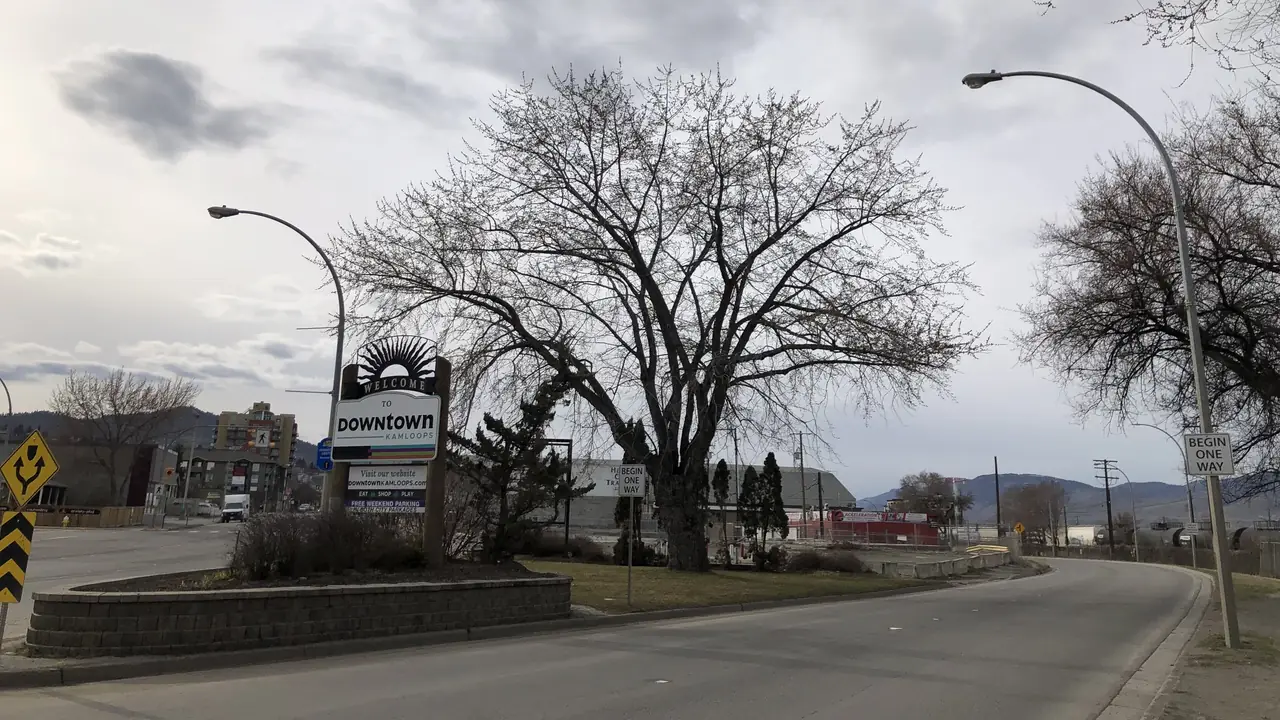
Kamloops is the regional centre for the Thompson-Nicola, and its refrigeration reflects that. This is not a town with a few restaurants in it. It is a city of around a hundred thousand people with distribution and cold storage serving the Interior, grocery supercentres running full parallel rack systems, a genuine brewing and hospitality trade, a university and hospital with institutional kitchens, and industrial and resource operations out beyond the city. The equipment runs from a single undercounter in a coffee shop to plant that would not look out of place in Surrey's industrial parks.
It is also, unlike Hope or Merritt, a city with its own refrigeration contractors. We would rather say that plainly than write a page that pretends otherwise, because every operator here already knows it. What we can offer that is genuinely different is on the larger systems and across multiple sites: rack system work, industrial cold storage, project and replacement work, and - the reason most Kamloops enquiries reach us - consistency for companies that operate on both sides of the mountains. If you run locations in the Lower Mainland and in the Interior, one contractor means one standard of work, one set of equipment records and one phone number, rather than discovering at two in the morning that the Kamloops store's history lives in somebody else's filing cabinet.
Dust, smoke and the condenser
Kamloops is the driest place we work, and the maintenance consequence is blunt: condensers foul faster here than anywhere else in our service area. Grassland dust in a hot dry summer, construction dust in a growing city, and in most recent summers weeks of wildfire smoke carrying fine particulate and ash. All of it lands on the fin pack of an air-cooled condenser, and a fouled condenser is not a cosmetic problem - it is a direct loss of capacity, exactly when a 35-plus degree afternoon has already pushed the system toward its limit.
There is a genuine operational conclusion in that, and it is not "clean your coils" printed on a fridge magnet. It is that a Kamloops site needs a different cleaning interval from the same site in Langley - twice a year on exposed equipment rather than annually - and that a smoke season should trigger an unscheduled check rather than being waited out. For rooftop and yard-mounted condensers, location matters as much as cleaning: a unit recirculating its own discharge air off a parapet or a wall has been given a hotter design day than the weather ever will.
Rack systems, supercentres and industrial cold storage
A supermarket parallel rack is a different animal from a packaged condensing unit, and Kamloops has a lot of them. One rack carries dozens of cases and rooms at different temperatures, so a fault rarely presents as "the store is warm" - it presents as two cases drifting, a defrost that is not terminating on one circuit, or an energy bill that has climbed without anybody changing anything. Diagnosing that means reading the system rather than the symptom: suction groups, floating head pressure and its setpoints, subcooling, EPR and case controller settings, and whether the heat reclaim is doing what it was designed to do.
Floating head pressure deserves its own sentence in this city. A control strategy that lets condensing pressure follow ambient saves real money, and it saves more in a dry climate with cold nights than it does on the coast - but only if it is set up correctly and allowed to work. We see systems in the Interior where the floating strategy has been locked out over the years to stop a nuisance fault, and nobody has ever put it back. That is an expensive way to solve a cheap problem.
Breweries and hospitality
Kamloops has a working brewing and taproom trade and it brings three cooling systems into one building: the keg and cold room, the draft line cooling that decides whether the pour foams, and, in a production brewery, glycol doing fermentation temperature control on jacketed tanks. The glycol side is the one that surprises people, because it fails by degrees rather than by breaking - add a tank, add a cold-crash to the schedule, lose a little flow to a fouled strainer, and the whole system slowly stops holding rather than one component dying. When a brewery here calls about temperature, the first question is what changed in the tank schedule.
Two climates in one city
The valley floor at the confluence and the benches at Aberdeen and Sahali are not the same place. The benches sit several hundred metres higher, they are colder, windier and get more snow, and equipment up there sees a longer and harder winter than the same equipment downtown. That shows up in door and frame heaters, drain line heat trace and low-ambient head pressure control - all of which fail silently in July and get discovered in January. The other Interior winter faults, and the reason a dry climate needs its defrost cycles set differently from a coastal one, are explained on our Merritt page; they apply here too.
Coverage across Kamloops
Commercial areas of Kamloops, what operates there, and the refrigeration equipment typically found
| Area |
What is there |
Typical equipment |
| Mount Paul and the Highway 1 corridor |
Industrial, distribution and cold storage |
Freezer warehouses, dock cold rooms, remote condensing units, process cooling |
| Sahali and Aberdeen |
Grocery supercentres and bench-top retail |
Parallel rack systems, display and deli cases, walk-ins, rooftop condensers |
| Downtown and the riverfront |
Restaurants, taprooms, cafes and hotels |
Keg and cold rooms, draft line cooling, reach-ins, prep tables, ice machines |
| North Shore and Tranquille |
Neighbourhood grocery, restaurants and light industrial |
Walk-in coolers, display cases, condensing units, undercounters |
| Valleyview and Dallas |
Highway commercial, retail and food service |
Display coolers, reach-ins, quick-service kitchen refrigeration |
| Airport and Tranquille industrial |
Light industrial, warehousing and contractor operations |
Cold rooms, freezer storage, remote condensing units |
| Institutional sites |
University, hospital and large-scale catering kitchens |
Walk-in coolers and freezers, blast chillers, bulk prep refrigeration |
| Rural Thompson Valley |
Ranching, resource operations and camp kitchens |
Cold rooms, chest freezers, packaged walk-ins |
How service works at this distance
We do not publish a minute-based arrival window for Kamloops, for the same reason we do not publish one for Merritt: the route from the Lower Mainland is the Coquihalla, and a number that ignores the pass and the weather is worth nothing. What the homepage says is what we do - scheduled and emergency service. Scheduled means planned maintenance, installation, replacement and project work booked in advance and grouped so one trip covers as much as possible. Emergency means you call dispatch, describe the fault, and get told honestly when somebody can be there.
For a multi-site operator that combination is usually the point. The routine work is planned, the standard is the same as at your coastal sites, the service history is in one place, and the emergency call goes to people who already know your equipment. For a single independent restaurant in Kamloops with a failed undercounter at 7pm, a local contractor may well be the better answer, and we will say so rather than take a call we cannot serve properly.
Where you need a committed response time rather than a best effort, that belongs in a written priority service agreement - and across a mountain pass that document matters more, not less. See our terms of service.
What we work on here
Parallel rack systems and supermarket refrigeration, case controllers and defrost strategy, floating head pressure and heat reclaim, freezer warehouses and dock cold rooms, walk-in coolers and freezers, blast chillers and institutional kitchen refrigeration, keg and cold rooms, draft line cooling, display and deli cases, reach-ins and prep tables, remote and rooftop condensing units, condenser cleaning and re-siting for dust and smoke conditions, ice machines, and commercial kitchen ventilation. We service equipment regardless of who installed it. Full detail is on the emergency repair page and the walk-in installation page, and the pricing and lead-time questions are answered on our FAQ.
Check us before you call
You should not have to take a contractor's word for any of this. Three public records let you check BC Freezer in a few minutes, and they work just as well for any other contractor you are comparing us with.
-
Licence
Technical Safety BC register
Refrigeration contractors in BC must be licensed by Technical Safety BC. The public register shows each contractor's licence number, status and any enforcement action.
Search the register
-
Coverage
WorkSafeBC clearance letter
A clearance letter confirms a business is registered with WorkSafeBC and its premiums are in good standing. Most can be pulled online at no charge.
Get a clearance letter
-
Reviews
Google Business Profile
Reviews there are written by customers and published by Google, not by us. Read them before you book.
Read our Google reviews